Coal Giant Peabody Energy Files For Chapter 11 Bankruptcy
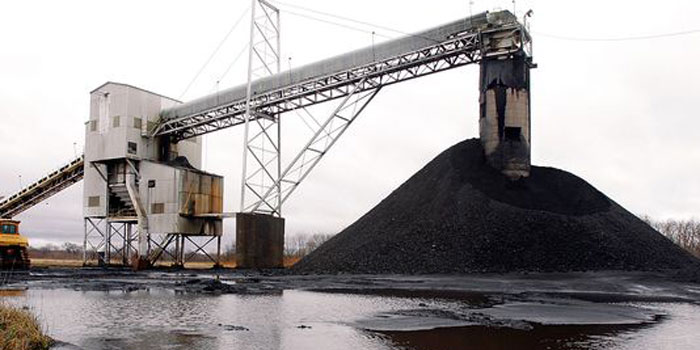
ST. LOUIS — The nation’s biggest coal company, Peabody Energy (BTU), filed for Chapter 11 bankruptcy protection on Wednesday, April 13, as the coal industry grapples with the fallout of low natural gas prices, costly regulations and legacy costs.
St. Louis-based Peabody, which traces its corporate roots back to 1883, had warned in March that “sustained depressed” coal prices had placed it on the edge of insolvency.
Low natural gas prices, the sluggish Chinese economy and U.S. environmental regulatory pressure have compounded the financial pressures facing coal companies, which include costs such as pensions and retiree health care obligations, analysts say.
The company also suffered a sharp blow from its exposure to the bankruptcy of former subsidiary Patriot Coal, one of several coal giants to topple into bankruptcy court over the last couple years.
Peabody’s market capitalization peaked at about $20 billion in 2011, illustrating the swift contraction in the coal market over the last half decade. The company has about 7,100 employees globally, including 5,400 hourly workers.
“The announcement shouldn’t come as a surprise to anyone,” Rapid Ratings International CEO James Gellert, whose firm has been tracking Peabody, said in an email. “Peabody has been on a downward trajectory for the last few years and between low commodity prices, increased regulation and a crippling debt weight, it was only a matter of time before the filed for bankruptcy.”
The U.S. Energy Information Administration projected that 2016 U.S. coal production will equal about 752.5 million short tons, representing a 25% decline from 2014.
During the descent, some 50 coal companies have gone bankruptcy, according to Peabody’s estimate. Those include most of the top producers, such as Arch Coal, Patriot, Alpha Natural Resources and Walter Energy.
Peabody has posted four consecutive yearly losses, including a $2 billion loss in 2015 as revenue fell 17% to $5.6 billion.
“Coal companies have been under intense pressure for the past few years, mirroring what the energy sector in general has been going through,” Gellert said.
Peabody is expected to use the bankruptcy process to shed debt and restructure its operations instead of pursuing a sale of assets, Reorg Research analysts said.
Go to USA Today to read the rest of the story.