Art In Action: Fakes, Frauds, Forgeries

By Darla McCammon
InkFreeNews Columnist
Before we start this week, I want to thank Senior Master Sergeant Lehman for his call about the recent “nose art” column.
He correctly identified our nose art aircraft as an A26 (also called a B26 after World War II) instead of a P38. I am embarrassed because my husband and I have flown into Oshkosh, Wisc., in our Cessna and landed to attend their annual big air show, where this plane, nicknamed “the silver dragon,” calls home. We no longer have the Cessna but we still love all things airworthy. Also worthy is our thanks to Senior Master Sergeant Lehman for his service to our country — and my art column.
Beginning this week, we are going to spend some time in the fascinating world of the many ways fraud, forgeries and fakes have meddled in art. Even so-called experts have been duped — sometimes with a deception that lasts for centuries.
Back in the days of the Roman Empire, it was quite common for Roman sculptors to copy Greek works of art and pass them off as their own original, in spite of the recognition by most in their art world that knew they were simply copies. Authorities turned a blind eye to this practice and most purchasers were less interested in the artist or the authenticity than they were in owning the sculpture to decorate their homes and gardens.
Then came the famous time of the Renaissance when art began to flourish and it was popular for citizens to own not only sculptures but also paintings and other forms of art. Due to this growing demand, professional artists began hiring apprentices who often aided the instructor in completing works that were sold with no acknowledgment that parts of the work may have been produced or copied by a student. Since the student was getting “free” instruction from the master, it was considered an equal exchange for the student to forge parts, or all, of a painting that was then sold by the master.
Some of these students became so adept at duplicating their master’s style of work that in later years they were identified as original works by experts who were knowledgeable about work by the master artist. It has only been in more recent times, with the advent of new technologies and abilities of experts in the field, that a more accurate evaluation of artwork has become a helpful tool in uncovering forgeries and fakes.
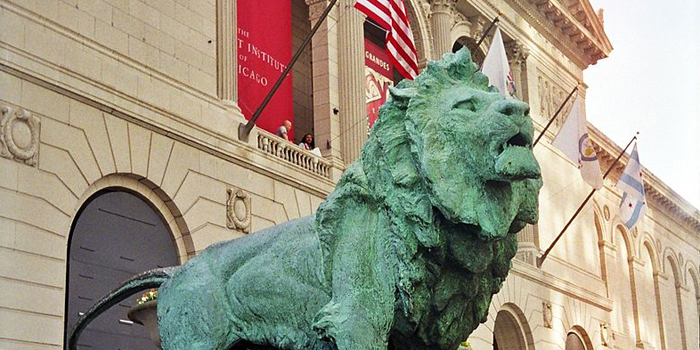
An embarrassing time for the prestigious Chicago Art Institute happened when it was discovered that a sculptured ceramic piece “The Faun,” attributed to Gauguin, and which had been shown within their revered walls for over 10 years, was instead a forgery. Once discovered, the work was removed and the Institute began working with Scotland Yard to follow a trail that led first to the famed auction house of Sotheby’s. An investigation ensued, leading to a British family that had been successful in running a huge forgery operation worth multiple millions of dollars. They had successfully acquired nearly $20 million for the 17 years of their criminal behavior. The three culprits were the Greenhaighs family, consisting of two elderly parents and their son, who was also the artist. They produced and sold an astounding number of faked forgeries out of their simple garden shed.
In the case of “The Faun,” the authorization had been made because it seemed to match a sketch done by Gauguin. Even Anne-Birgitte Forsmark, the world’s leading specialist in Gauguin ceramics, had accepted the piece as genuine, describing it as “among Gauguin’s most satirical” works.