Coats Says Sugar Subsidy Raw Deal for Taxpayer
[weaver_youtube t6LQHbs_Nsw rel=0]
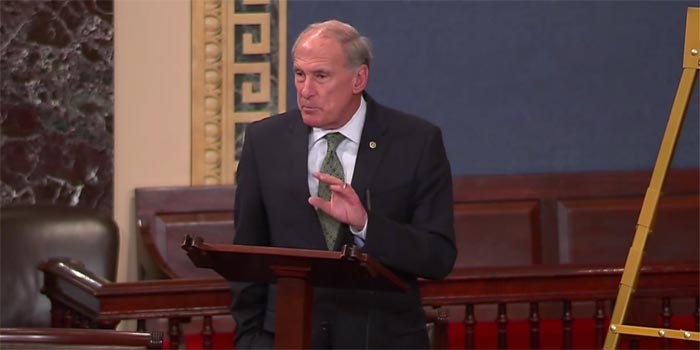
Senator Dan Coats (R-Ind.), the chairman of the Joint Economic Committee, today delivered his weekly “Waste of the Week” speech and highlighted how the federal government can achieve $116 million in savings by eliminating the U.S. Department of Agriculture’s (USDA) sugar subsidy program.
Currently, the USDA issues loans to sugar producers and allows them to repay those loans with raw sugar if sugar prices fall below a certain price. After obtaining the sugar through this “loan,” the USDA then resells it at a steeply discounted price. These loans function as a price support for sugar, ensuring that sugar producers never sell their product below the price determined by the government.
In addition to providing this subsidy to sugar producers, the federal government enforces a system of quotas and tariffs on imported sugar, blocking Americans’ fair market access to cheaper sugar and resulting in large differences between global and domestic sugar prices.
“To this day, the sugar subsidy remains a sweet deal for sugar producers but a raw deal for sugar consumers and the American taxpayer,” said Coats. “The net effect of this program is Americans are paying higher prices for sugar and more in taxes to pay for the sugar subsidy.”
In his remarks, Coats mentioned three Indiana manufacturers:
• The Albanese Confectionery Group Inc., a renowned northwest Indiana-based manufacturer of confections, including the World’s Best Gummi’s, Gold Label Chocolates and other products. This family business estimates it could save $3 million annually by having access to sugar from the world market.
• Lewis Bakeries, which is headquartered in Evansville, and is one of the few remaining independent bakeries in the Midwest and the largest wholesale bakery in Indiana. Artificially high sugar prices contribute directly to increased costs that hamstring budgets at businesses like Lewis Bakeries.
• Kraft Foods, which has a marshmallow and caramel plant in Kendallville, and says that dismantling the USDA’s sugar program would enhance the competitiveness of U.S. food manufacturers.