Grace Ecology Students Remove Invasive Barberry Plants From Campus
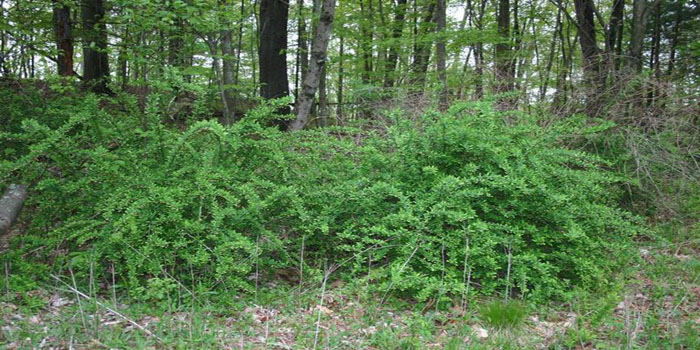

WINONA LAKE — Earlier this week, 34 Grace College students from a General Ecology class, as well as local volunteers, spent two afternoons removing Japanese barberry from a forested area of campus near the Miller Athletic Complex, said a news release from Grace College.
Barberry is an invasive plant species that disrupt ecological relationships between arthropods (like ants and spiders) at the bottom of food webs, which eventually leads to less food and poor habitats for larger animals. Barberry has also been found to lead to increased tick populations, which can transmit Lyme disease.
Because of the human health and ecological challenges caused by this invasive plant, Dr. Nate Bosch, an environmental science professor at Grace College, has rallied his students in his class to remove barberry through herbicide treatments each fall for the last three years.
“This time of year is perfect for spraying barberry since most of the benefits native plants are going dormant for the winter while barberry continues to grow later into the fall,” said Bosch.
So far, Bosch’s students have treated 6.3 acres of Japanese barberry thickets, including 2.4 acres treated this week.
Others at Grace College have been helping this barberry removal effort on campus as well. Jeff Buriff, grounds supervisor at Grace, and his team have already removed 52 barberry bushes this year from campus landscaping and plans to eventually remove all of them from campus landscaping areas. Barberry has been found to “escape” from landscaping around homes and buildings to nearby forests via birds carrying barberry seeds.
Beyond the benefit to campus, removing Japanese barberry is a specific environmental priority identified by the Town of Winona Lake in their “Imagine 2030” strategic plan.
Removing barberry will benefit local forest ecosystems as well as protect the health of community residents.