Art In Action: How Hall Became Hallmark
By DARLA MCCAMMON
Lakeland Arts Association

WARSAW — Born in poverty in the middle of America in a dot on the map called David City, Neb., Joyce C. Hall was named after an itinerant preacher. His father, also a traveling minister, deserted the family when Hall was only seven. Hall disliked the moniker-Joyce- and once he was able to effect a change, was known throughout his life as J.C. This man, the youngest in his family, lacked education and funds, yet, at nine years of age he began selling perfume door to door and clerked in his elder brother’s bookstore. From this paltry beginning Hall rose to heights financially and influentially never before dreamed about by his family.
In 1908, at age sixteen, Hall and two older brothers tried to start a post card business with $540 they had saved. The business faltered in the small community so Hall moved, with two shoeboxes of post cards, to bustling Kansas City, Missouri, leaving his family and school behind, but not for long. By 1913 he and his brother were operating a store that grew into Hall’s department store, which carried, in addition to many items, postcards and greeting cards. His card section was innovative in how he had improvised a unique way to display the cards. It became a very popular, and successful, enterprise. In 1915 a disaster happened and the store burned down. Undeterred, Hall and his brothers took out a loan to purchase an engraving company and began the process of creating their own greeting cards.
In 1923 the three brothers united in Kansas City to form Hall Brothers, Inc. J.C. Hall was the more entrepreneurial of the brothers and often had battles to get his ideas adopted. Invariably they were successful ideas, including his decision to remove the old “Hall Brothers” name on the back of each card and convert it to simply “A Hallmark Card.” The clever incorporation of their name into a term that usually means a mark made on precious metal was brilliant. That term alone elevated the reputation of a Hallmark card to a new level of distinction. Hall continued to innovate, placing ads with such recognizable words as, “if you care enough to send the very best.” He was also the one who ignored objections and began sponsoring a television show. The “Hallmark Hall of Fame” was the resulting success story.
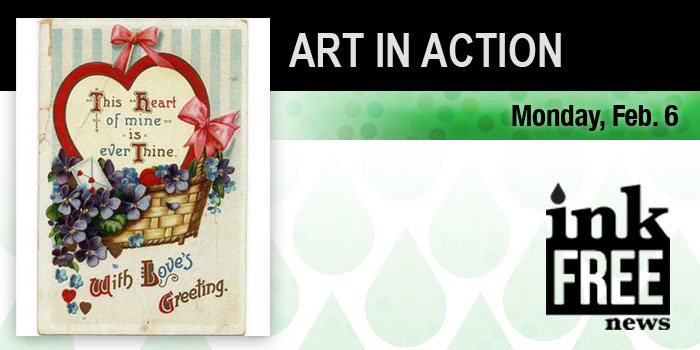
Hall, of course, produced many Valentines and used many artists. The earlier valentines were created by their engraving business but each card had to be hand colored. This continued through the 1920s and 1930s until they were able to move into lithography that allowed for color printing. Hall’s biography shows some insight into the character of the Hallmark founder. He wrote: “If a man goes into business with only the idea of making a lot of money, chances are he won’t. But if he puts service and quality first, the money will take care of itself.”
Coming next: How our local Hallmark store has become world famous.
Upcoming and Current Events:
- Lakeland Art Gallery, Forty Years of Garage Sale Art, 302 E. Winona Avenue, Feb. 2 to March.
- Warsaw City Hall Art Gallery through March 15. Open 8 a.m. – 4 p.m. Monday through Friday. Perry Olshein oil paintings on view.
For more information on topics in this column, please contact Darla McCammon at [email protected] or (574) 527-4044.