Art In Action: The Attorney Who Created With LEGOs

By Darla McCammon
I started this column looking for a way to help my readers engage their children in art. Instead, I found adults who create art from children’s play toys. Is it possible that LEGO toys can be considered art? Did you know the LEGO Company estimates there are over 50 LEGO bricks for every person on the planet? Did you know that kids around the world are still fascinated with LEGO toys and spend around five billion hours playing with the incredible little bricks called LEGOs?
Believe it or not, there are some incredible LEGO art creations that are serious art pieces. Nathan Sawaya was a successful corporate attorney but began working with his childhood LEGO set as a stress reliever. He soon found himself buying many more of the toy pieces and creating outstanding, unusual 3D sculptures. By 2001, he quit his job and decided to become a serious artist using the more than 1.5 million of his expanded collection of LEGO pieces in his New York studio. As a freelance artist, Sawaya has found a market and is one of the foremost LEGO artists in the world. Museums clamor for his work such as the one titled “Yellow.”
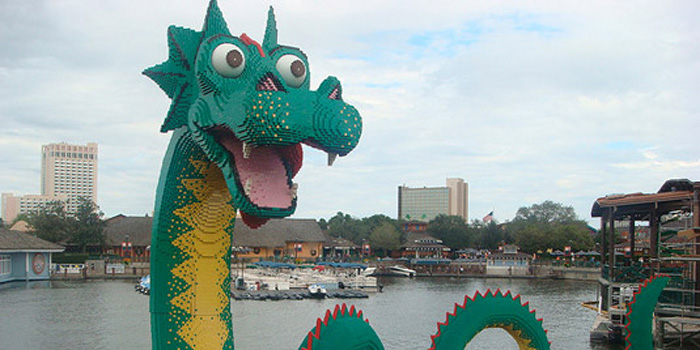
Other people have joined Sawaya as these interesting creations proliferate. You can travel to Disney World in Florida and see “Brickley,” a sea monster created of 170,000 LEGO bricks weighing half a ton and stretching out in the water for 30 feet. Visit the LEGO imagination center at Disney to see some other creative, larger than life critters and models.
Billund, Denmark is the home company for LEGO products. Ole Kirk Christiansen was a local carpenter who made wooden toys. In 1934, he began to call his company LEGO which in Danish, “leg godt” means “play well.” These plastic interlocking toys began to be manufactured in 1949. The LEGO Group has developed movies, games and even six LEGOLand amusement parks under their brand name. The toy pieces are extremely versatile and can be assembled and connected in a variety of ways in order to build any number of structures — even working robots. The pieces can be taken apart and new designs can evolve from the old. Virtually endless possibilities exist.
Several changes and transitions to the product transpired over the years but the familiar LEGO brick with which we are all familiar with was patented on Jan. 28, 1958. So, you would-be artists out there, it seems another media is available — and remember with only six LEGO bricks you can create over 102 million combinations.